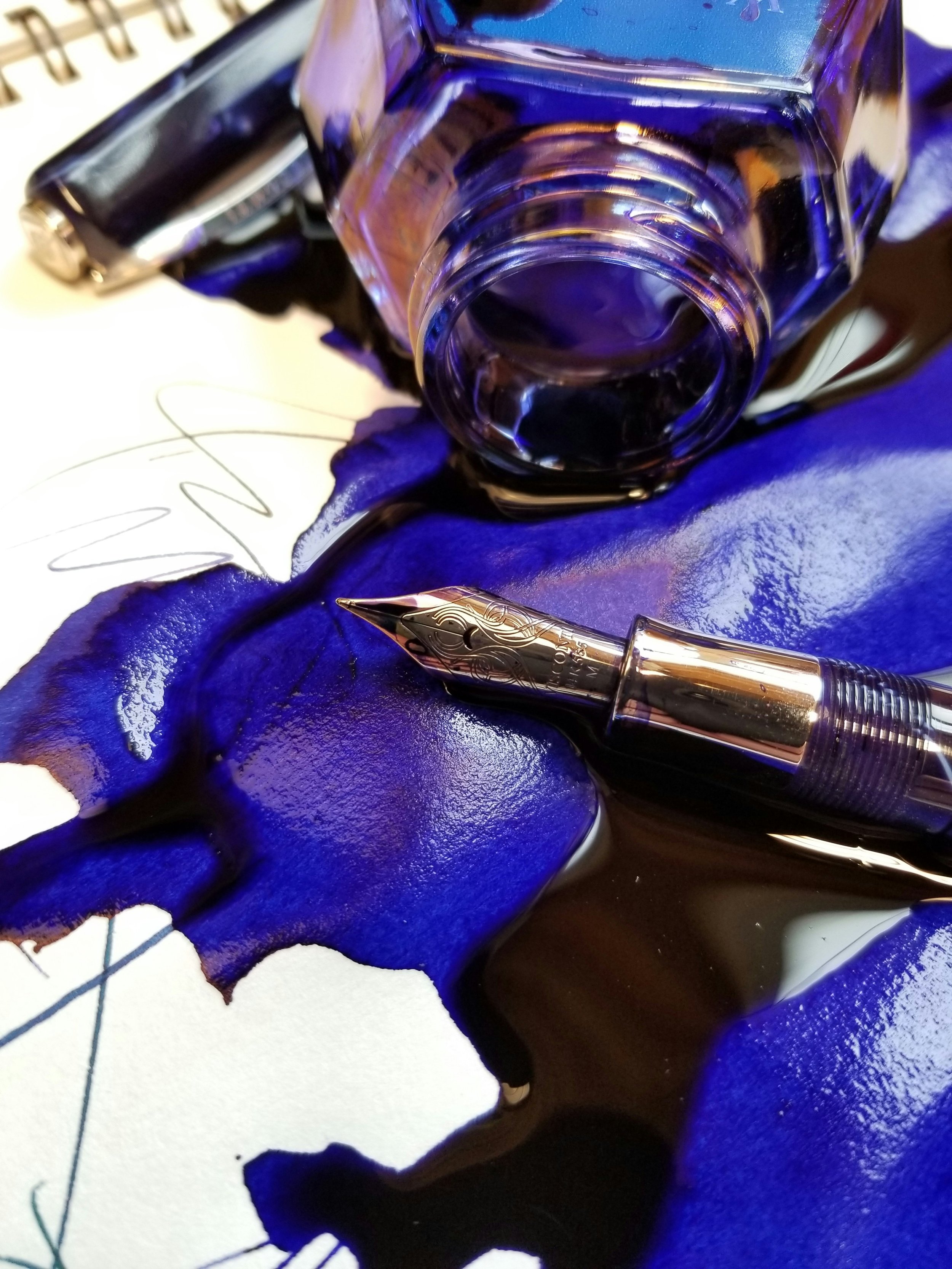
The first mark. No plan yet, just the page.
At some point, waiting for permission started costing me more than taking the risk. I couldn't tell you the day. It crept up on me, like a bill you've stopped opening the post to avoid.
Tanka Blue didn't start with a business plan, or funding, or a room full of people telling me I'd found the next big thing. It started with me noticing that the instructions I'd been given for building a life had stopped making sense. You know them: study hard, get the degree, get the job, work your way up, be secure. For a long time that was the deal. It was never as simple as the people selling it made out, but there was a sequence. You could point at the next step and tell a young person, this one, then that one.
So what do you do when the sequence stops working?
I was the first person in my Jamaican family to get a degree. Three years of work, a pile of debt, and I came out the other side a different person. Then I started applying for jobs that barely noticed any of it.
I was in my early thirties, looking at a British economy that still spoke fluent opportunity while the experience of it felt like something else. The applications got longer, the forms fussier, the interview rounds more numerous, the criteria narrower. A lot of the time, I'm fairly sure, a system had binned me before another human being had properly looked. One month I sent off 469 applications. Fifteen people replied. I got four interviews.
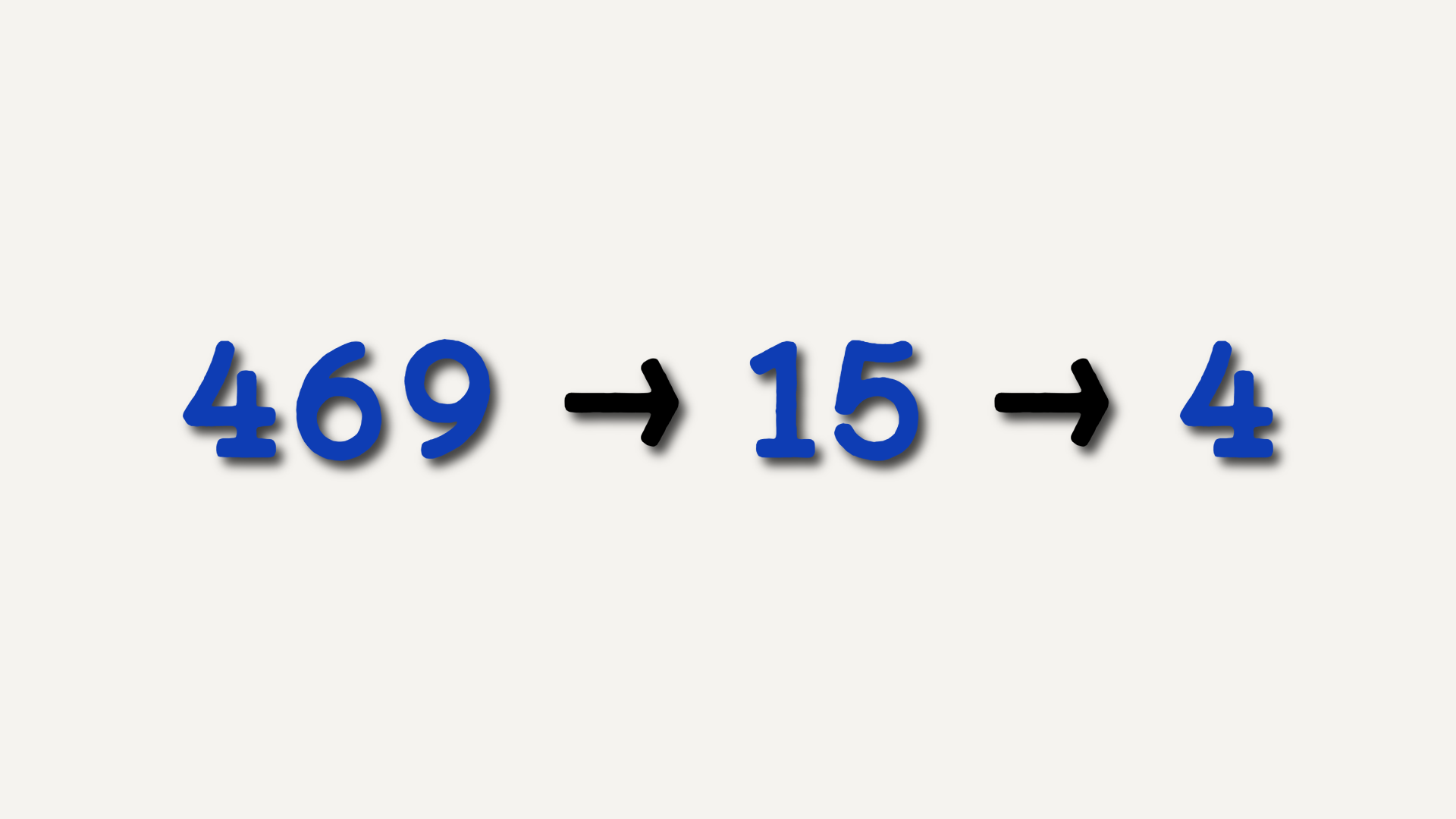
One month: 469 applications, 15 replies, 4 interviews.
And these weren't dream jobs. Construction, labouring, retail: work that offers a wage, a contract, a reason to get out of bed. Getting through the door of those was hard enough.
Then there's what happens once you're in the room, which never makes it onto a CV. You sit there doing sums in your head. Who's interviewing me, who's already on the team, what kind of person were they expecting, and is it me? Confidence can be taken apart so quietly. Nobody has to say anything. You answer the questions, you leave, and you wait for an email that doesn't come. No explanation, no feedback, nothing.
Race was in those rooms too. Not as a seminar topic, more like weather. I'd walk in and wonder whether they saw potential, or someone who didn't quite fit the picture they already had in their heads. Maybe every job seeker feels a version of that. Maybe I was reading my own history into rooms that meant me no harm. But I know what it feels like to leave an interview already holding the answer, and the answer was no.
That sticks, especially after years of being told education changes your prospects. I believed it, and I still believe education matters. I just don't believe a certificate hands you a place in the world anymore. A degree changes how you think and speak. It widens your references and your nerve. What it can't do is make a market that's getting faster, more automated and more in love with ticking boxes see you as anything other than a row in a spreadsheet.
That contradiction wouldn't leave me alone. Eventually I stopped asking other people to decide whether I was useful, and decided to make something instead.
I had very little money left. I spent some of it registering the company, bought the website, and started fiddling with names. No investor, no institution, no employer waiting in the wings. Just a decision.
It isn't a romantic thing to say, and it was properly frightening. Nobody warns you how much comfort there is in being told what to do. A job gives you a role, a salary gives you a number, a workplace gives you a building, and a manager gives you a target. A business gives you a blank page. Blank pages are terrifying. They're also the only place anything new gets made.
I'd been testing that freedom since university. People would turn up with assignments, or half-formed ideas they couldn't get into shape, and I'd sit and work through it with them. I noticed I liked it. I liked taking a tangled thought and finding its outline. I liked editing, writing, and poking at an idea until it either got stronger or fell over.
Then AI arrived, and everybody had a take. Some people were fascinated, some frightened, some waved it away. Some called it a cheating machine and some called it salvation. I understood the worry, and I still do. It changes how fast things get made, what one person can produce, and what organisations think they need people for. And it doesn't stay at the top. Whatever happens upstairs works its way down into the labour market, the expectations, the culture, until the person at the bottom is left asking what happened. I didn't want to worship it or reject it. I wanted to understand it.
So I tested it on the one thing I already knew properly. For my final dissertation in Applied Humanities, I wrote a book: Pattern Up, roughly 40,000 words on patterns and games. But the book isn't really the point. What got me was what the process did to my relationship with my own mind. I took one idea and pushed it through everything: notes, arguments, questions, language, structure, the machine, rewriting, pushback, more rewriting, and then a final pass as a human being. That last pass matters most. I never wanted the machine to be the author. It was an instrument, a strange, fast, occasionally annoying one. I'd talk, write, feed in an idea, get something back that I disagreed with, tear into it, change the rhythm, cut the dead weight, and keep going until it sounded like me again.
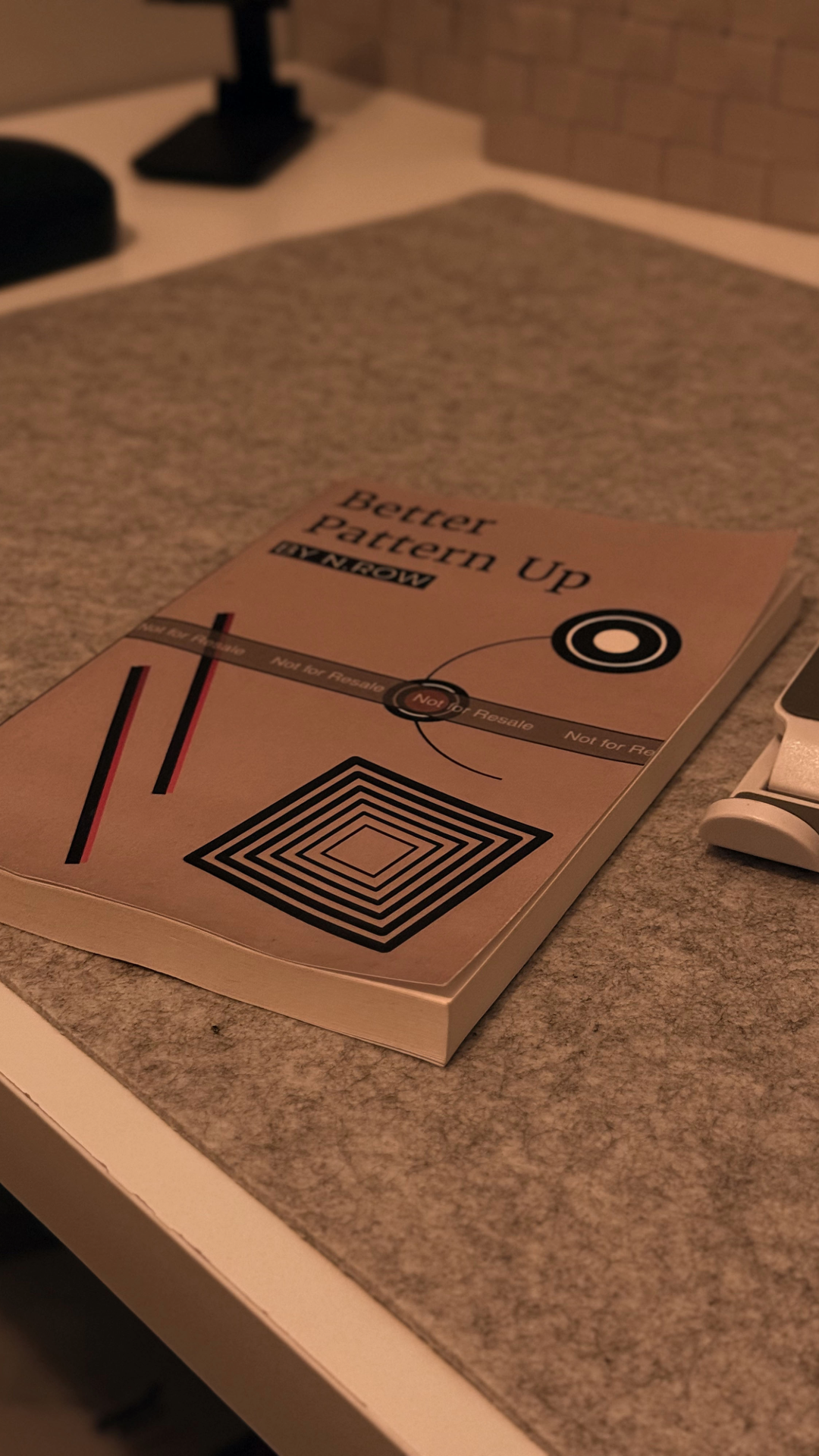
Better Pattern Up. About 40,000 words, finished in thirty days.
The surprise was that the more I did it, the better I understood my own style. It didn't just make me faster. It showed me how I think.
I went from idea to finished book in about thirty days. It was the first time I'd paid for ChatGPT Pro, and I could suddenly see the leverage. This was the same person who'd spent years working the way most students do, sitting on everything until the deadline was breathing down my neck. And I remember thinking: wait. I can actually do this. Not in theory. Actually. I can make books, develop ideas, build things.
Better Pattern Up made about £800, with no marketing machine, no big following, no campaign. Not life-changing money. But I'd crossed a line. I'd made an intellectual object and put it out into the world.
Then I found the other problem. Making is lovely. Distribution is a different animal. Writing the book was enjoyable, and so was thinking about it, designing it, talking about the ideas. Marketing was another matter. Suddenly you're a promoter, a salesperson, a content producer, a strategist, someone refreshing numbers and trying to understand an algorithm, and somewhere in there it's very easy to lose the reason you started.
I didn't want to become my own permanent advert. I didn't want Tanka Blue to be me talking into a camera about myself forever. I wanted something with enough distance from me to become its own thing. A house. A place where ideas could live. A label for artefacts.
The name came later. The first one was Nikorow Labz.
I know. I knew at the time. When I announced it, some of the people around me looked at me like I'd brought home an unusual animal. Okay. It's... special. I ran with it anyway. There was a logo inspired by the periodic table, N and K, and it had its own logic. But I knew it wasn't the final form.
So I went looking. I've always been drawn to Eastern philosophy. Not because I think the East is better than the West, because it isn't that simple, but because of the difference in emphasis: the relationship between mind and practice, the discipline of repetition, the idea that how you live matters as much as what you believe. Confucianism, Taoism, Buddhism. Different histories, different contradictions, all circling practice, balance, perception.
I'd also always been a writer, though not the fluent, effortless kind people imagine. My mind runs ahead of my mouth. It still does. One thought sets off another, then another, a hundred tabs open, and somewhere between thinking and speaking, something drops out. So I started writing tiny poems. Strict ones, in short, constrained forms. Not because I had nothing to say, but because I had too much, and the limit made me choose. It made me cut, and listen to the thought before trying to explain it. I'm convinced now that you write to think and think to write, and that's still how I work.
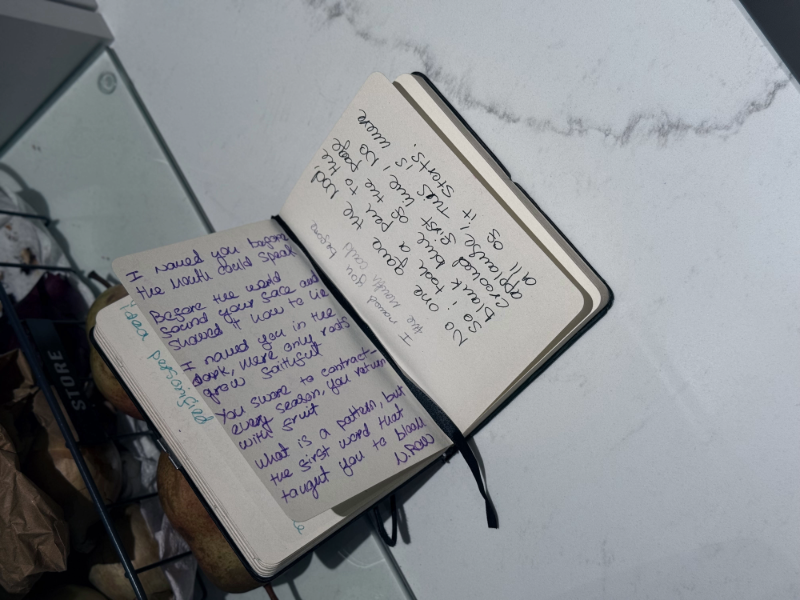
My Handwritten poems
A small poem in my own handwriting. The short form makes me choose words wisely
Tanka is one of those forms. Blue is simpler: it's been my favourite colour for as long as I can remember. But colour holds memory too, and for me blue belongs to a longer story. Black British life, London, working-class streets, poverty, the edges of the city, the places where people learn to make something out of very little and where culture gets made long before anyone bothers to recognise it.
Poetry and colour, language and atmosphere. It fit. I checked the name, checked the domain, went round the platforms claiming what digital ground I could. And there it was. Tanka Blue.
Nobody tells you what a beginning costs. People love the myth of entrepreneurship once it's over: the launch, the logo, the website, the finished building. They don't see the awkward stretch before it. The people who laugh. The people who quietly think you're wasting your time and ask what your "real job" is. The friends who back you in private and don't quite get what you're doing. The months where nothing moves and money keeps leaving your account.
Britain can be strange about this. We celebrate innovation but distrust the person innovating in front of us. We say be yourself, then reward conformity. We encourage ambition, then mock anyone who looks ambitious. Be realistic, but dream. Work hard, but don't think you're special. Stand out, but don't make anyone uncomfortable. At some point you pick which voice to listen to, and mine got very simple: I can't spend the rest of my life waiting for someone to recognise what I can do.
That doesn't mean jobs are bad, or that everyone should start a company, or that founders are morally better than employees. It means the conditions have changed, and when conditions change you get a choice. Adapt, or lean harder on systems that may no longer be built around you. Tanka Blue is my answer to that, not my exit from the world.
I think creativity is quietly turning from a luxury into a survival skill. Thinking, writing, making, connecting ideas, working with machines without turning into one, shaping information into meaning, reading culture, spotting patterns, building something from nothing. None of that is decoration. And now that AI can produce a first draft of almost anything, the question shifts. Can you tell what's worth making? What's worth keeping? What feels alive? Can you make something that carries your fingerprint, and build a world rather than just content?
That's the ground I want to work on.
Tanka Blue is still at the start. I'm still learning, still testing, still getting things wrong, still working out what the company turns into. I think that's what a start is for. Not certainty, not proof. A direction, a decision, a first mark on an empty surface.
There will always be someone happier to watch you fail than succeed. Someone who thinks your idea is ridiculous. Someone who preferred the version of you that stayed put. You can't do much about them. What you can do something about is what happens next.
So begin. Badly, awkwardly, with £50 and no audience, with an idea that sounds strange, with the thing people don't quite understand yet. The beginning is rarely glamorous. It's just where everything that ends up real first shows up.
Tanka Blue is my beginning. Let's see what it becomes.
(Tanka Blue mark) The beginning.